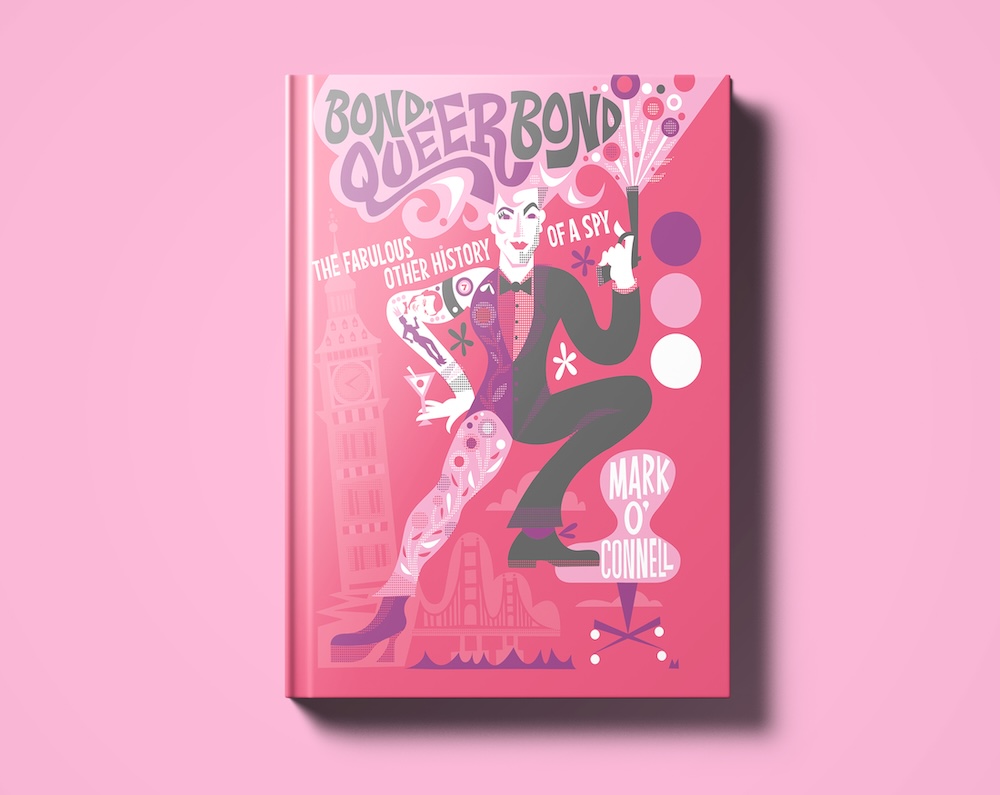
Met Bond, Queer Bond: The Fabulous Other History of a Spy werpt auteur en cultuurcriticus Mark O’Connell een nieuw licht op een van de meest iconische figuren uit de populaire cultuur. Het boek, dat in mei 2026 verschijnt, onderzoekt hoe queer cultuur, kunstenaars en gemeenschappen een wezenlijke rol hebben gespeeld in de totstandkoming en evolutie van het James Bond-universum.
Daarmee doorbreekt O’Connell het hardnekkige beeld van Bond als uitsluitend symbool van traditionele mannelijkheid en heteronormatieve fantasieën. James Bond wordt vaak gezien als de ultieme belichaming van Britse cool, glamour en mannelijke kracht. O’Connell betoogt echter dat achter deze façade een rijkere, veelzijdigere geschiedenis schuilgaat. In Bond, Queer Bond laat hij zien hoe LGBTQ-invloeden vanaf het begin verweven zijn geweest met de esthetiek, thematiek en culturele uitstraling van de Bond-franchise. Volgens de auteur is het onmogelijk om het succes en de blijvende aantrekkingskracht van 007 te begrijpen zonder deze vaak genegeerde bijdragen serieus te nemen.
In zijn boek richt O’Connell zich minder op het fictieve personage zelf en meer op de mensen, ideeën en culturele stromingen die Bond hebben gevormd. Daarbij gaat het zowel om makers achter de schermen als om bredere maatschappelijke invloeden. Queer schrijvers, kunstenaars, modeontwerpers en performers blijken een grote invloed te hebben gehad op de visuele stijl, het gevoel voor overdaad en de speelse omgang met identiteit die zo kenmerkend zijn voor de Bond-films. De flamboyante schurken, de extravagante settings en de nadruk op stijl en performance krijgen in dit boek een nieuwe betekenis.
O’Connell plaatst Bond bovendien nadrukkelijk in de context van internationale queer geschiedenis. Hij verbindt de wereld van 007 met culturele hotspots en bewegingen in steden als Londen, New York, Parijs en San Francisco. Bekende queer iconen en culturele figuren uit de twintigste eeuw passeren de revue, niet als losse zijpaden, maar als actieve deelnemers aan een gedeelde culturele verbeelding waarin Bond een centrale rol speelde. Daarmee toont het boek hoe Bond niet alleen een product was van zijn tijd, maar ook een spiegel van veranderende ideeën over seksualiteit, macht en identiteit.
Wat Bond, Queer Bond onderscheidt van academische studies, is de toegankelijke en verhalende toon. O’Connell schrijft met zichtbare liefde voor zijn onderwerp en combineert historisch onderzoek met persoonlijke observaties en anekdotes. Het resultaat is een levendig boek dat zowel fans van James Bond als lezers met interesse in queer geschiedenis en popcultuur zal aanspreken. De auteur presenteert zijn werk niet als een poging om Bond te “herclaimen”, maar als een uitnodiging om het icoon in al zijn complexiteit te bekijken.
Het boek bevat daarnaast bijdragen en reflecties van uiteenlopende stemmen uit de culturele wereld, waaronder mensen die zelf betrokken zijn geweest bij Bond-gerelateerde projecten. Deze perspectieven versterken het idee dat Bond altijd het resultaat is geweest van samenwerking tussen verschillende creatieve werelden, waaronder die van de LGBTQ-gemeenschap.
Met Bond, Queer Bond levert Mark O’Connell een prikkelende en originele bijdrage aan het debat over representatie en erfgoed in de populaire cultuur. Het boek laat zien dat zelfs de meest ogenschijnlijk vaste iconen voortdurend worden heruitgevonden, gevoed door invloeden die lange tijd buiten beeld zijn gebleven. Daarmee belooft het niet alleen discussie los te maken, maar ook het beeld van James Bond blijvend te verrijken.
With Bond, Queer Bond: The Fabulous Other History of a Spy, author and cultural critic Mark O’Connell casts new light on one of the most iconic figures in popular culture. The book, to be published in May 2026, explores how queer culture, artists and communities have played a fundamental role in the creation and evolution of the James Bond universe.
In doing so, O’Connell challenges the entrenched image of Bond as a symbol solely of traditional masculinity and heteronormative fantasy. James Bond is often regarded as the ultimate embodiment of British cool, glamour and masculine power. O’Connell argues, however, that behind this façade lies a richer and more multifaceted history. In Bond, Queer Bond, he demonstrates how LGBTQ influences have been woven into the aesthetics, themes and cultural resonance of the Bond franchise from its very beginnings. According to the author, it is impossible to understand the success and enduring appeal of 007 without taking these frequently overlooked contributions seriously.
In his book, O’Connell focuses less on the fictional character himself and more on the people, ideas and cultural currents that have shaped Bond. This includes both creative figures working behind the scenes and broader social influences. Queer writers, artists, fashion designers and performers are shown to have had a significant impact on the visual style, the sense of excess and the playful approach to identity that are so characteristic of the Bond films. The flamboyant villains, extravagant settings and emphasis on style and performance are given new meaning in this book.
O’Connell also places Bond firmly within the context of international queer history. He connects the world of 007 with cultural hotspots and movements in cities such as London, New York, Paris and San Francisco. Prominent queer icons and cultural figures of the twentieth century appear throughout, not as tangential footnotes, but as active participants in a shared cultural imagination in which Bond played a central role. In doing so, the book demonstrates that Bond was not only a product of his time, but also a mirror of changing ideas about sexuality, power and identity.
What sets Bond, Queer Bond apart from academic studies is its accessible and narrative-driven tone. O’Connell writes with evident affection for his subject, combining historical research with personal observations and anecdotes. The result is a lively book that will appeal both to James Bond fans and to readers interested in queer history and popular culture. The author presents his work not as an attempt to “reclaim” Bond, but as an invitation to view the icon in all his complexity.
The book also features contributions and reflections from a diverse range of voices within the cultural world, including individuals who have been directly involved in Bond-related projects. These perspectives reinforce the idea that Bond has always been the product of collaboration across different creative spheres, including the LGBTQ community.
With Bond, Queer Bond, Mark O’Connell delivers a provocative and original contribution to the debate on representation and heritage in popular culture. The book shows that even the most seemingly fixed icons are constantly being reinvented, shaped by influences that have long remained unseen. In doing so, it promises not only to spark discussion but also to enrich the perception of James Bond in a lasting way.